Introduction
Guava, a tropical fruit celebrated for its unique flavor and aromatic sweetness, has long been a staple in many cultures. From its origins in Central and South America, it has journeyed across the globe, captivating palates and becoming a beloved ingredient in everything from juices and jams to savory dishes. Its popularity isn’t just due to its delicious taste; guava has also garnered significant attention for its purported health benefits, often hailed as a superfood with a wide array of medicinal properties.
However, with the rise of health trends and the rapid spread of information online, it’s crucial to separate fact from fiction when it comes to the impressive claims surrounding this humble fruit. While guava undoubtedly offers a robust nutritional profile, some assertions about its powers can be exaggerated or lack substantial scientific backing. In this article, we’ll delve into the most common health claims associated with guava, scrutinizing them against scientific evidence and expert opinions to provide a balanced and realistic understanding of what this vibrant fruit can truly offer.
Our goal is to explore claims such as guava’s purported ability to regulate blood sugar more effectively than insulin and its magical properties for hair growth. We’ll examine the mechanisms behind these beliefs, discuss what the science actually says, and ultimately, help you understand how to incorporate guava into your diet for maximum, evidence-based benefits. Let’s peel back the layers of myth and discover the true potential of guava.
Guava Health Claims: Fact vs Reality
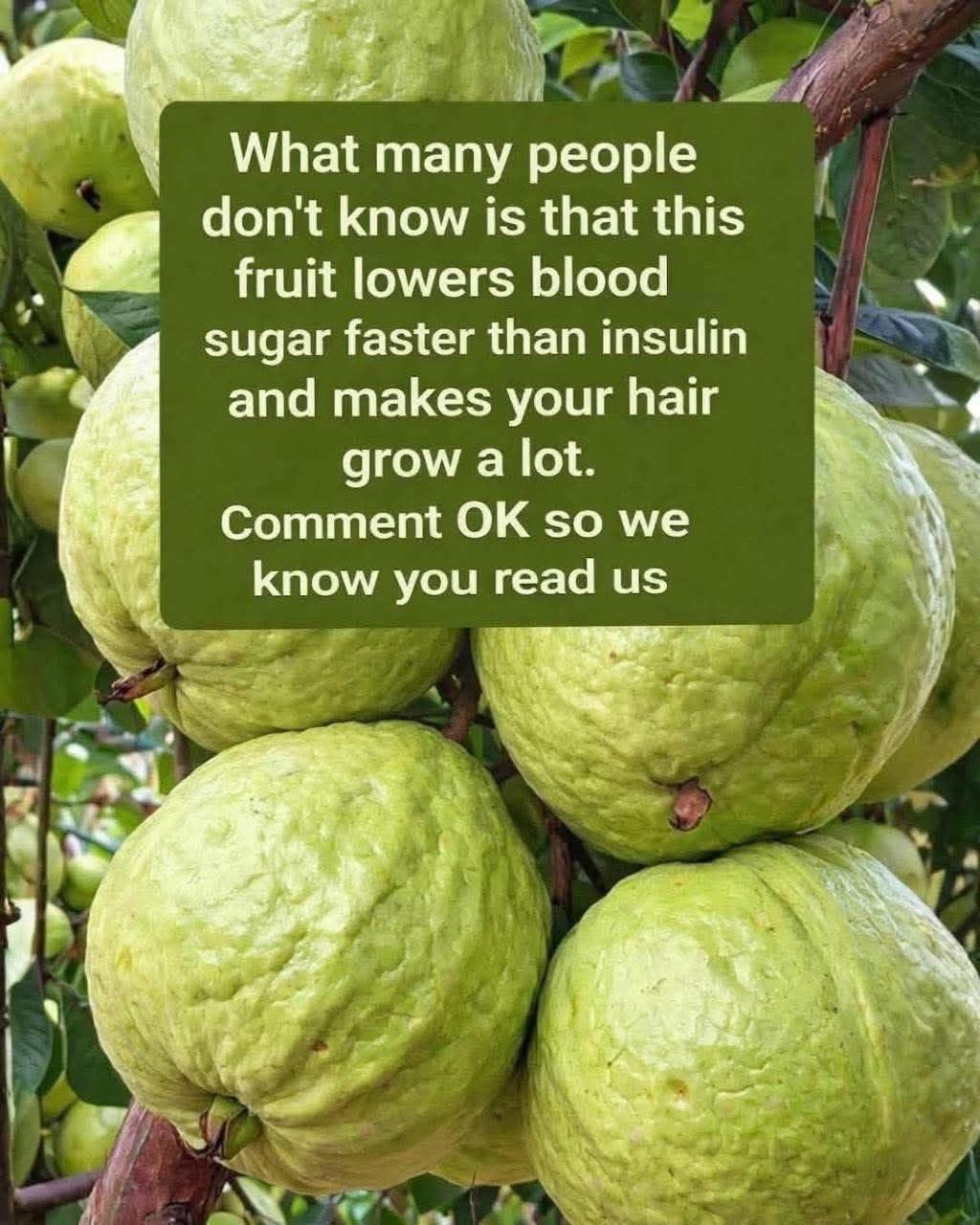
Claim 1: Blood Sugar Regulation – “Guava lowers blood sugar faster than insulin.”
This is a bold claim often circulated, particularly in natural health circles. The idea that a fruit could outperform a prescribed medication like insulin for diabetes management is certainly appealing, but it warrants a critical look.
Reality: While guava, particularly extracts from its leaves, has shown promise in helping to manage blood sugar levels, stating it lowers blood sugar faster than insulin is a dangerous overstatement and entirely unfounded. Insulin is a powerful hormone that directly facilitates glucose uptake by cells, a rapid and essential process for individuals with diabetes.
Guava’s potential benefits for blood sugar stem from several factors. It is rich in dietary fiber, which slows down the absorption of sugar into the bloodstream, preventing sharp spikes. Additionally, some studies suggest that compounds found in guava leaves (like quercetin and gallic acid) may inhibit certain enzymes involved in carbohydrate metabolism, further contributing to blood sugar control. However, these effects are typically mild and work over a longer period, acting as a supportive measure rather than a rapid intervention.
Expert Opinion: Dr. Anya Sharma, a registered dietitian specializing in diabetes management, states, “Guava can be a healthy addition to a diabetic diet due to its fiber content and low glycemic index. However, it is absolutely not a substitute for insulin or other prescribed diabetes medications. Relying on guava to manage acute blood sugar fluctuations instead of medication can have severe health consequences. Always consult your doctor before making any significant dietary changes, especially if you have a chronic condition like diabetes.”
In conclusion, guava can certainly be part of a healthy diet for individuals managing blood sugar, but it is not a replacement for insulin or other medical treatments. It’s a supportive food, not a miracle cure.
Claim 2: Hair Growth – “Guava makes your hair grow a lot.”
The allure of lush, fast-growing hair leads many to seek out natural remedies, and guava has found its way into this narrative. The claim suggests that consuming guava or applying its extracts can significantly boost hair growth.
Reality: While guava may contribute to healthier hair, the idea that it will cause “a lot” of hair to grow is an exaggeration. There’s no scientific evidence to suggest that guava acts as a potent hair growth stimulator in the same way certain medical treatments might. However, guava does contain nutrients that are vital for overall hair health, which can indirectly support growth and reduce breakage.
Guava is an excellent source of Vitamin C, a powerful antioxidant crucial for collagen production. Collagen is a key component of hair structure, and adequate Vitamin C helps strengthen hair follicles and prevents oxidative damage that can lead to hair loss. It also aids in iron absorption, another mineral essential for healthy hair. Furthermore, guava contains B vitamins like folate, which are known to support cell growth, including those in hair follicles.
Expert Opinion: Dr. Lena Khan, a dermatologist specializing in hair and scalp health, explains, “While no food will miraculously make your hair ‘grow a lot,’ a diet rich in vitamins and minerals is fundamental for healthy hair. Guava, with its high Vitamin C content and other antioxidants, helps create an optimal environment for hair growth by supporting collagen synthesis and protecting follicles from damage. It can contribute to stronger, healthier hair that is less prone to breakage, which might give the appearance of better growth over time. However, it’s not a direct stimulant for rapid hair proliferation.”
So, while guava won’t turn you into Rapunzel overnight, its nutritional profile can certainly support the health and vitality of your hair, making it a beneficial addition to your diet for overall hair wellness.
Health Benefits of Guava (Beyond the Claims)
Beyond the often-exaggerated claims, guava boasts a remarkable nutritional profile that offers several scientifically-backed health benefits:
- Immune Support: Guava is exceptionally rich in Vitamin C, often containing several times the amount found in an orange. Vitamin C is a potent antioxidant that plays a crucial role in boosting the immune system, helping the body fight off infections and illnesses.
- Digestive Health: Being an excellent source of dietary fiber, guava aids in maintaining a healthy digestive system. Fiber promotes regular bowel movements, prevents constipation, and can help alleviate symptoms of digestive disorders like irritable bowel syndrome (IBS). It also acts as a prebiotic, feeding beneficial gut bacteria.
- Antioxidant Powerhouse: Guava is packed with various antioxidants, including lycopene, quercetin, and other polyphenols. These compounds combat free radicals in the body, reducing oxidative stress and inflammation. This antioxidant activity is linked to a lower risk of chronic diseases such as heart disease, certain cancers, and premature aging.
- Heart Health: The fiber, potassium, and antioxidants in guava contribute to cardiovascular health. Potassium helps regulate blood pressure, while fiber can help lower bad cholesterol (LDL) levels. The powerful antioxidants protect against oxidative damage to blood vessels.
- Weight Management: Guava is a low-calorie, high-fiber fruit, making it an excellent choice for weight management. The fiber content promotes satiety, helping you feel full for longer and reducing overall calorie intake.
Nutritional Information (per 100g serving of raw guava)
Per serving (approximate values):
- Calories: 68 kcal
- Protein: 2.5g
- Carbohydrates: 14.3g
- Fat: 1.0g
- Fiber: 5.4g
- Sodium: 2mg
Potential Risks and Considerations
While guava is generally very healthy, a few considerations are worth noting:
- Moderation is Key: Due to its high fiber content, consuming excessive amounts of guava can lead to digestive discomfort, including bloating, gas, or diarrhea in some individuals.
- Pesticide Concerns: If not organically grown, guavas may be treated with pesticides. Always wash guavas thoroughly under running water before consumption to remove any surface residues.
- Drug Interactions: While rare, if you are on specific medications, particularly for blood sugar control, it’s always wise to consult your doctor or a registered dietitian before significantly increasing your intake of any fruit, including guava, to rule out potential interactions.
- Added Sugars: Be mindful when consuming guava products like juices, jams, or preserves, as they often contain significant amounts of added sugars, which can negate many of the fruit’s health benefits. Opt for fresh guava whenever possible.
How to Incorporate Guava into Your Diet
Guava’s versatility makes it easy and delicious to add to your daily meals:
- Fresh Consumption: The simplest way to enjoy guava is to eat it raw. Wash it thoroughly, slice it, and enjoy the flesh and edible seeds. Some people prefer to scoop out the pulp with a spoon.
- Juices and Smoothies: Blend fresh guava with a little water or other fruits for a refreshing and nutritious juice or smoothie. Remember to strain out the seeds if you prefer a smoother texture.
- Jams and Preserves: Guava’s pectin content makes it ideal for homemade jams, jellies, and preserves. These can be spread on toast, used in desserts, or paired with cheeses.
- Guava Paste or Cheese: A popular treat in Latin American countries, guava paste (goiabada) is a thick, sweet confection often served with cheese. Be aware of its high sugar content.
- Savory Applications: Don’t limit guava to sweet dishes! Its unique flavor profile can complement savory meals. Try adding diced guava to salads for a tropical twist, incorporating it into salsas, or using it as a glaze for poultry or pork.
- Desserts: Guava can be baked into pies, tarts, crumbles, or used as a filling for pastries. Its distinct aroma enhances many dessert recipes.
Conclusion
Guava is undeniably a nutritional powerhouse, brimming with vitamins, minerals, and potent antioxidants that contribute to overall health and well-being. From bolstering your immune system with its impressive Vitamin C content to aiding digestion with its rich fiber, the benefits of incorporating this tropical fruit into your diet are numerous and well-documented. However, it’s essential to approach some of the more sensational health claims with a critical and evidence-based perspective.
While guava can certainly play a supportive role in managing blood sugar levels and promoting healthy hair, it is not a magic bullet. It cannot replace prescribed medications like insulin, nor will it single-handedly cause dramatic hair growth. The true power of guava lies in its ability to contribute to a balanced, nutrient-dense diet, providing your body with the essential building blocks it needs to thrive.
By understanding the science behind the claims and appreciating guava for its genuine nutritional value, you can enjoy this delicious fruit responsibly and effectively. So, embrace the vibrant flavor and health benefits of guava, making it a cherished part of your journey towards a healthier lifestyle.