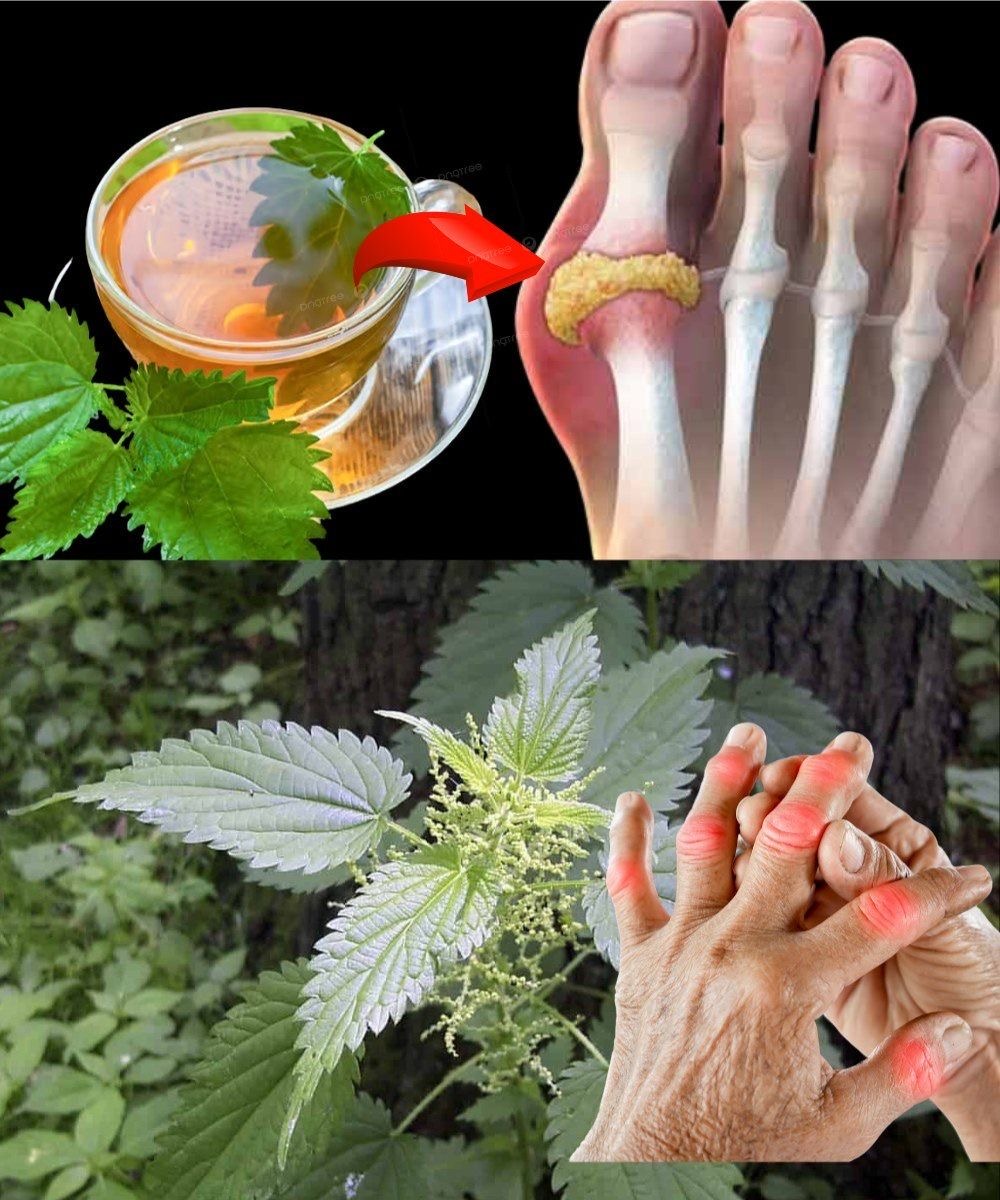
Nettle Tea for Joint Health: What Science Says About This Traditional Herbal Drink
Stinging nettle (Urtica dioica) has been used in traditional wellness practices for centuries. In recent years, nettle tea has gained popularity among people looking for natural ways to support overall joint comfort and healthy aging. Images circulating online often suggest that nettle tea can “remove uric acid crystals” or completely cure arthritis and gout. While nettle is a nutritious plant with interesting properties, it is important to understand what current evidence actually supports.
What Is Stinging Nettle?
Stinging nettle is a leafy green plant found throughout Europe, Asia, North America, and parts of Africa. Despite its reputation for causing a temporary stinging sensation when touched, nettle has long been used in herbal teas, soups, and traditional remedies.
The leaves contain a variety of nutrients, including:
- Vitamin A
- Vitamin C
- Vitamin K
- Iron
- Calcium
- Potassium
- Magnesium
- Plant antioxidants
These nutrients contribute to nettle’s reputation as a nourishing herbal ingredient.
Why Is Nettle Tea Associated With Joint Health?
Many people drink nettle tea because it contains plant compounds that may help support the body’s natural response to inflammation. Researchers have identified antioxidants and bioactive compounds in nettle that are being studied for their potential role in supporting healthy joints.
Some individuals with occasional joint discomfort report that drinking nettle tea regularly becomes part of their wellness routine. However, nettle tea should not be considered a cure for arthritis, gout, or any other medical condition.
Understanding Gout and Uric Acid
Gout is a type of arthritis caused by the buildup of uric acid crystals in the joints. This can lead to:
- Sudden joint pain
- Swelling
- Redness
- Tenderness
- Limited movement
The big toe is one of the most commonly affected joints, which is why it often appears in illustrations related to gout.
While hydration and a balanced diet can help support healthy uric acid levels, there is no strong evidence that nettle tea alone can dissolve existing uric acid crystals or eliminate gout.
Potential Benefits of Nettle Tea
1. Rich in Antioxidants
Nettle contains natural antioxidants that help protect cells from oxidative stress. Antioxidants play an important role in overall wellness and healthy aging.
2. Supports Hydration
Drinking herbal tea increases fluid intake, which can contribute to good hydration. Proper hydration is important for many bodily functions, including kidney health.
3. Provides Valuable Nutrients
Nettle leaves contain vitamins and minerals that may help support general health when consumed as part of a balanced diet.
4. Traditional Use for Wellness
For generations, nettle has been used as a traditional herbal beverage. Many people enjoy it as a caffeine-free alternative to coffee or black tea.
Simple Nettle Tea Recipe
Ingredients
- 1 tablespoon dried nettle leaves
- 1 cup (240 ml) hot water
- Optional: lemon slice
- Optional: a small amount of honey
Directions
- Place the dried nettle leaves in a cup or tea infuser.
- Pour hot water over the leaves.
- Allow the tea to steep for 5–10 minutes.
- Strain if necessary.
- Add lemon or honey if desired.
- Enjoy while warm.
Important Considerations
Although nettle tea is generally enjoyed by many people, it may not be suitable for everyone. Individuals who are pregnant, have kidney conditions, or take medications should consult a healthcare professional before regularly consuming herbal supplements or teas.
The Bottom Line
Nettle tea is a nutrient-rich herbal beverage that has been appreciated for centuries. Its antioxidants, vitamins, and minerals make it an appealing addition to a healthy lifestyle. While nettle tea may support overall wellness and hydration, claims that it can completely cure arthritis, gout, or remove uric acid crystals are not supported by strong scientific evidence.
Enjoy nettle tea as part of a balanced diet, regular physical activity, adequate hydration, and professional medical care when needed. A natural approach to health works best when combined with realistic expectations and evidence-based habits.