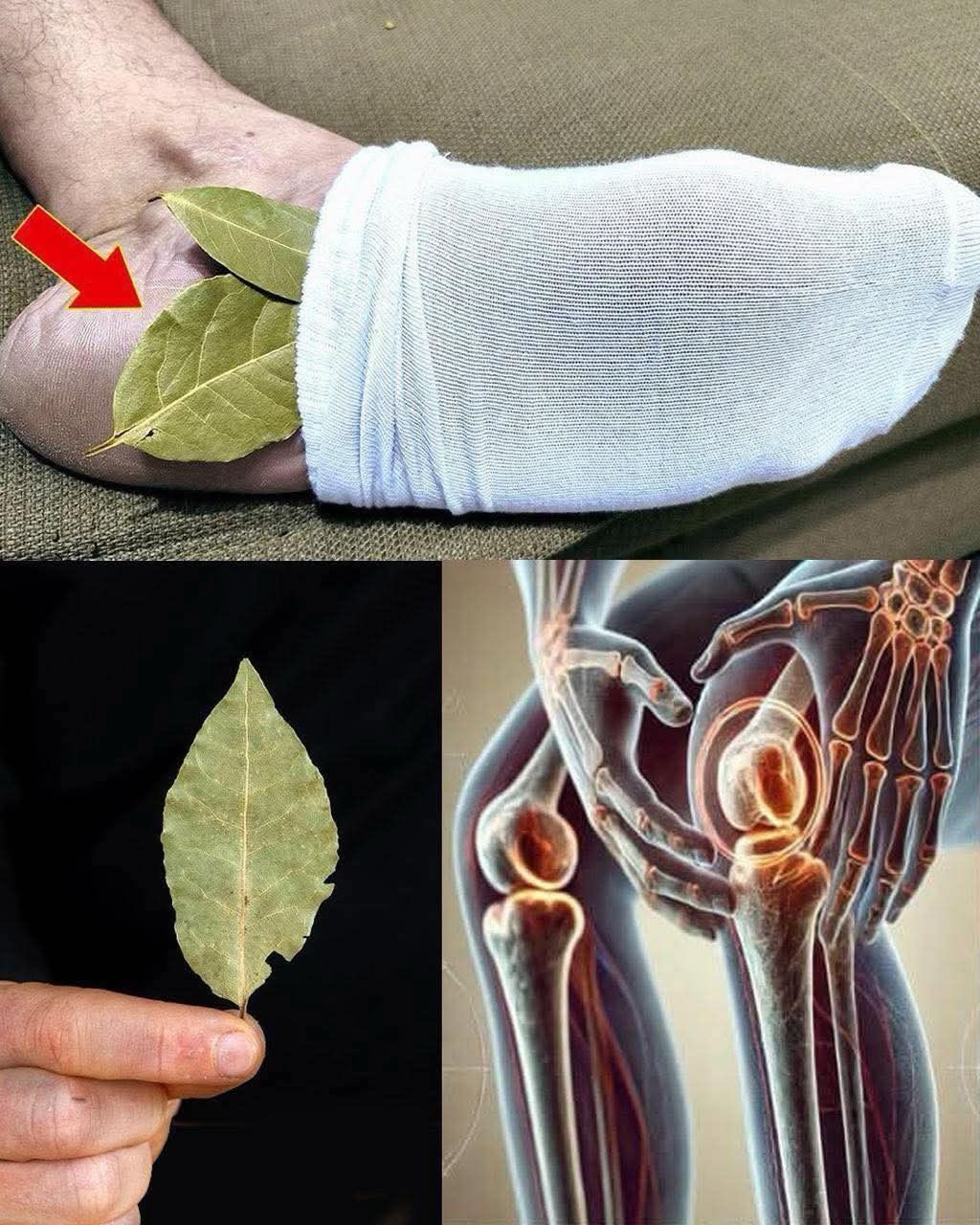
Bay Leaves and Joint Comfort: Exploring a Popular Traditional Remedy
Natural home remedies have been part of traditional wellness practices for generations. One remedy that frequently appears in social media posts involves placing bay leaves inside socks or near the feet overnight. Supporters claim this simple practice may help with joint discomfort, muscle tension, and overall well-being.
But what does this traditional remedy actually involve, and what should people know before trying it?
What Are Bay Leaves?
Bay leaves come from the bay laurel tree and have been used for centuries in cooking and traditional herbal practices. They are well known for their aromatic qualities and are commonly added to soups, stews, and sauces.
In addition to culinary uses, bay leaves have a long history in folk wellness traditions around the world.
Why Are People Putting Bay Leaves in Their Socks?
The idea behind this practice is simple. Some people place one or two clean, dry bay leaves inside their socks before bedtime.
According to traditional beliefs, the natural aroma released by the leaves may promote relaxation and comfort. Many people report that the ritual itself helps them unwind after a long day.
However, it is important to understand that scientific evidence supporting major health benefits from placing bay leaves in socks is limited.
The Connection Between Relaxation and Physical Comfort
When discussing natural remedies, relaxation is often an overlooked factor.
Many people experience increased muscle tension during stressful periods. Creating calming bedtime routines may help support:
- Better sleep quality
- Reduced stress levels
- Evening relaxation
- A greater sense of well-being
Whether someone uses herbal teas, warm baths, stretching exercises, or aromatic herbs, the relaxation aspect may play a significant role in how they feel.
Traditional Uses of Bay Leaves
Historically, bay leaves have been associated with:
- Aromatic household remedies
- Herbal infusions
- Traditional wellness practices
- Culinary applications
The leaves contain naturally occurring plant compounds that contribute to their distinctive scent.
Researchers continue to study various compounds found in herbs and spices, although many traditional claims require further scientific investigation.
Healthy Habits That May Support Joint Health
For people interested in maintaining joint comfort, experts generally recommend focusing on proven lifestyle habits.
Stay Physically Active
Regular movement helps keep joints flexible and supports overall mobility.
Activities may include:
- Walking
- Swimming
- Cycling
- Gentle stretching
- Yoga
Maintain a Balanced Diet
A nutritious diet supports overall health and may contribute to healthy joints.
Consider including:
- Fruits
- Vegetables
- Whole grains
- Fish rich in omega-3 fats
- Nuts and seeds
Maintain a Healthy Weight
Excess body weight can place additional stress on weight-bearing joints such as the knees and hips.
Prioritize Quality Sleep
Rest allows the body to recover and supports general physical wellness.
A Simple Bay Leaf Aromatherapy Idea
If you enjoy the scent of bay leaves, you might try a simple aromatherapy approach.
What You’ll Need
- 2–3 dried bay leaves
- A small cloth pouch
Directions
- Place the bay leaves in a breathable cloth pouch.
- Keep the pouch near your bedside.
- Enjoy the natural aroma as part of a relaxing evening routine.
This approach allows you to enjoy the fragrance without direct skin contact.
Safety Considerations
Although bay leaves are generally safe for culinary use, keep these precautions in mind:
- Avoid applying unknown herbal preparations directly to broken skin.
- Discontinue use if irritation occurs.
- Consult a healthcare professional for persistent joint pain.
- Do not rely on home remedies as a substitute for medical treatment.
Final Thoughts
The practice of placing bay leaves in socks is a traditional home remedy that continues to attract attention online. While many people enjoy the ritual and aroma, scientific evidence for significant health benefits remains limited.
What is well established, however, is the importance of healthy lifestyle habits such as regular exercise, balanced nutrition, adequate sleep, and stress management. These factors play a much larger role in supporting long-term joint health and overall well-being.
Natural traditions can be enjoyable parts of a wellness routine, but they work best when combined with evidence-based healthy habits and realistic expectations.