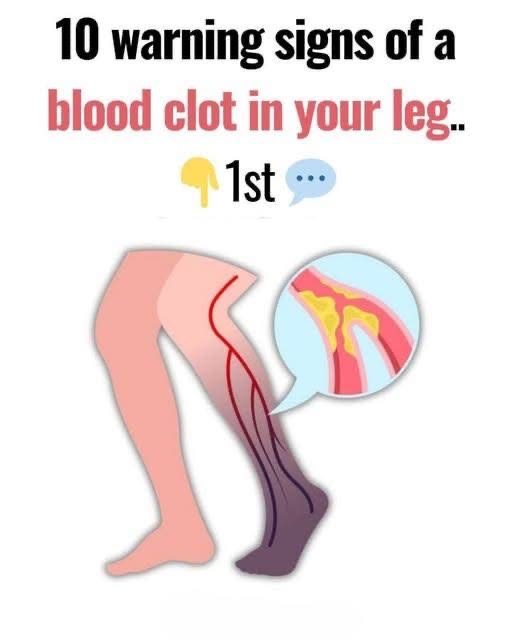
10 Warning Signs of a Blood Clot in Your Leg (Deep Vein Thrombosis – DVT)
A blood clot in the leg, also called deep vein thrombosis (DVT), is a serious medical condition that occurs when a clot forms in one of the deep veins, usually in the calf or thigh. If left untreated, part of the clot can break off and travel to the lungs, causing a pulmonary embolism, which can be life-threatening.
This article explains the warning signs, causes, risk factors, diagnosis, treatment, prevention, and heart-healthy recipes that may support overall vascular health.
What Is a Blood Clot?
Blood clotting is a normal process that helps stop bleeding after an injury. However, when a clot forms inside a healthy vein without a good reason, it can block blood flow and become dangerous.
Most DVTs develop in the:
- Calf
- Thigh
- Pelvis
10 Warning Signs of a Blood Clot in Your Leg
1. Swelling in One Leg
One of the earliest symptoms is swelling in only one leg. The swelling may appear suddenly or develop over several hours or days.
2. Persistent Leg Pain
Pain often starts in the calf and may feel like:
- Cramping
- Soreness
- Tightness
- Muscle ache
The discomfort usually doesn’t improve with stretching.
3. Warm Skin
The affected area often feels warmer than the surrounding skin because of inflammation around the clot.
4. Red or Discolored Skin
Your skin may become:
- Red
- Purple
- Bluish
- Darker than usual
The color change usually appears over the painful area.
5. Tenderness
Touching the calf or walking may cause pain. Some people notice discomfort when flexing the foot upward.
6. Enlarged Surface Veins
Veins near the skin may become more visible because blood is trying to flow around the blockage.
7. Heaviness in the Leg
Many people describe the affected leg as feeling unusually heavy or difficult to move.
8. Leg Fatigue
Even after resting, the affected leg may tire quickly while walking.
9. Shiny or Tight Skin
Swelling can stretch the skin, making it appear shiny and feel tight.
10. Symptoms of Pulmonary Embolism (Medical Emergency)
If the clot moves to the lungs, symptoms may include:
- Sudden shortness of breath
- Chest pain
- Rapid heartbeat
- Coughing up blood
- Fainting
Call emergency medical services immediately if these symptoms occur.
Causes of Blood Clots
Blood clots may develop because of:
- Long periods of sitting
- Major surgery
- Broken bones
- Pregnancy
- Cancer
- Smoking
- Obesity
- Hormonal birth control
- Family history of clotting disorders
Who Is at Higher Risk?
Your risk increases if you:
- Are over age 60
- Travel for many hours without moving
- Smoke
- Have diabetes
- Have heart disease
- Recently had surgery
- Are pregnant or recently gave birth
- Have varicose veins
- Have had a previous blood clot
How Doctors Diagnose DVT
A healthcare provider may use:
- Physical examination
- Ultrasound of the leg veins
- D-dimer blood test
- CT or MRI scans in selected cases
Treatment
Treatment depends on the size and location of the clot.
Common treatments include:
- Blood-thinning medications (anticoagulants)
- Compression stockings
- Regular walking as advised by your doctor
- In some cases, clot-dissolving medications or procedures to remove the clot
Never start aspirin or blood thinners on your own without medical advice.
Prevention Tips
You can reduce your risk by:
- Walking every hour during long trips
- Drinking enough water
- Maintaining a healthy weight
- Exercising regularly
- Avoiding smoking
- Following your doctor’s advice after surgery
- Wearing compression stockings if recommended
Heart-Healthy Recipes
Important: No food or drink can dissolve a blood clot. These recipes support overall cardiovascular health but are not treatments for DVT.
Mediterranean Salad
Ingredients
- 2 cups mixed greens
- 1 tomato
- 1 cucumber
- ¼ red onion
- ¼ cup olives
- 2 tablespoons olive oil
- 1 tablespoon lemon juice
- Black pepper
- Small amount of feta cheese (optional)
Instructions
Mix all ingredients and serve immediately.
Salmon with Vegetables
Ingredients
- 1 salmon fillet
- Broccoli
- Carrots
- Olive oil
- Garlic
- Lemon
- Black pepper
Instructions
Bake the salmon at 200°C (400°F) for 15–20 minutes. Roast the vegetables with a little olive oil and garlic. Serve with lemon.
Berry Oatmeal
Ingredients
- ½ cup rolled oats
- 1 cup milk or unsweetened plant milk
- ½ cup blueberries
- ½ cup strawberries
- 1 tablespoon walnuts
- Cinnamon
Instructions
Cook the oats, then top with berries, walnuts, and cinnamon.
Green Smoothie
Ingredients
- 1 green apple
- ½ cucumber
- Handful of spinach
- ½ lemon (juice)
- Water
- Ice
Instructions
Blend until smooth and enjoy.
If you take warfarin (Coumadin), do not suddenly increase foods high in vitamin K (such as spinach or kale). Keep your intake consistent and discuss your diet with your healthcare provider.
When to Seek Medical Care
Contact a healthcare provider promptly if you notice:
- Sudden swelling in one leg
- Persistent calf pain with warmth or redness
- A painful swollen leg after surgery or long travel
Seek emergency medical care immediately if you develop:
- Sudden shortness of breath
- Chest pain
- Coughing up blood
- Fainting
Final Thoughts
Deep vein thrombosis is a potentially serious condition, but early recognition and treatment can greatly reduce the risk of complications. Pay attention to symptoms such as one-sided leg swelling, pain, warmth, and skin discoloration, especially if you have risk factors like recent surgery, prolonged immobility, or smoking.
A healthy lifestyle, regular movement, and timely medical care are the best ways to protect your vascular health. Remember, while nutritious foods support heart and blood vessel health, they cannot dissolve an existing blood clot, and suspected DVT always requires prompt medical evaluation.